


รายชื่อซัพพลายเออร์ฟิล์ม PET ทั่วโลกที่ครอบคลุมสำหรับการใช้งานเทคโนโลยีขั้นสูง
 2026.04.17
 ข่าวอุตสาหกรรม
วิวัฒนาการของฟิล์มโพลีเอสเตอร์ประสิทธิภาพสูง
ตลาดทั่วโลกสำหรับโพลีเอทิลีนเทเรฟทาเลต (BoPET) แบบเน้นสองแกนได้เปลี่ยนจากสินค้าบรรจุภัณฑ์มาตรฐานมาเป็นตัวขับเคลื่อนที่สำคัญของเทคโนโลยีสมัยใหม่ ในบรรยากาศอุตสาหกรรมปัจจุบัน ก ผู้จำหน่ายฟิล์มสัตว์เลี้ยง ต้องสำรวจภูมิทัศน์ที่ซับซ้อนของข้อกำหนดทางเทคนิคที่เข้มงวดและการเปลี่ยนแปลงพลวัตทางการค้าทั่วโลก ในขณะที่อุตสาหกรรมต่างๆ เช่น อิเล็กทรอนิกส์ที่ยืดหยุ่น พลังงานหมุนเวียน และการวินิจฉัยทางการแพทย์ขั้นสูงขยายตัว ความต้องการวัสดุพิมพ์เฉพาะทางก็เพิ่มขึ้นถึงระดับที่ไม่เคยมีมาก่อน
ฟิล์มโพลีเอสเตอร์ได้รับการยกย่องจากการผสมผสานที่เป็นเอกลักษณ์ของความใสของแสง ความแข็งแรงทางกายภาพ และความทนทานต่อสารเคมี อย่างไรก็ตาม การใช้งานที่ใช้เทคโนโลยีขั้นสูงต้องการมากกว่าเกรดมาตรฐานเท่านั้น พวกเขาต้องการวัสดุที่มีพลังงานพื้นผิวเพิ่มขึ้น การควบคุมการหดตัวที่แม่นยำ และความบริสุทธิ์ขั้นสุด การเลื่อนไปทาง การเพิ่มประสิทธิภาพห่วงโซ่อุปทาน ได้นำผู้เชี่ยวชาญด้านการจัดซื้อให้มองข้ามขอบเขตท้องถิ่น โดยค้นหาผู้ผลิตที่สามารถส่งมอบคุณภาพที่สม่ำเสมอในการดำเนินงานข้ามทวีป
ทำความเข้าใจถึงความแตกต่างของ ตลาดแผ่นฟิล์ม PET ทั่วโลก เกี่ยวข้องกับการวิเคราะห์การทำงานร่วมกันระหว่างความพร้อมของวัตถุดิบ ความแม่นยำในการผลิต และความสามารถในการบำบัดหลังการผลิต บทความนี้นำเสนอแผนงานทางเทคนิคสำหรับการสำรวจเครือข่ายซัพพลายเออร์ทั่วโลก โดยมุ่งเน้นไปที่เกณฑ์ที่กำหนดการผลิตระดับโลกและลอจิสติกส์ของการจัดหาในปริมาณมาก
เกณฑ์ทางเทคนิคสำหรับการเลือกฟิล์ม PET ไฮเทค
เมื่อจัดหาวัสดุสำหรับการใช้งานที่มีความละเอียดอ่อน ข้อมูลจำเพาะทางเทคนิคจะทำหน้าที่เป็นตัวกรองหลักสำหรับการเลือกซัพพลายเออร์ PET ความใสสูง มักเป็นเกณฑ์พื้นฐานสำหรับจอแสดงผลแบบออพติคอลและแผงสัมผัส ซึ่งมีการวัดระดับการส่งผ่านแสงและหมอกควันถึงหนึ่งในสิบของเปอร์เซ็นต์ นอกเหนือจากความสวยงามแล้ว พฤติกรรมทางกลของฟิล์มภายใต้ความเค้นถือเป็นสิ่งสำคัญยิ่ง
การควบคุมเสถียรภาพทางความร้อนและการหดตัว
ปัจจัยที่สำคัญที่สุดอย่างหนึ่งในการผลิตที่ใช้เทคโนโลยีขั้นสูงคือ เสถียรภาพทางความร้อน . ในระหว่างกระบวนการต่างๆ เช่น การพิมพ์สกรีนหรือการสะสมสูญญากาศ ฟิล์มจะต้องผ่านอุณหภูมิสูงขึ้น ฟิล์มมาตรฐานอาจบิดเบี้ยวหรือหดตัว ทำให้เกิดข้อผิดพลาดในการลงทะเบียนในวงจรหลายชั้น ซัพพลายเออร์ระดับพรีเมี่ยมใช้กระบวนการรักษาเสถียรภาพความร้อนเพื่อให้แน่ใจว่าการเปลี่ยนแปลงขนาดยังคงอยู่ต่ำกว่า 0.1% แม้ว่าจะต้องเผชิญกับวงจรความร้อนสูงก็ตาม
ความหนาและความสม่ำเสมอของฟิล์ม
ความแม่นยำ ความหนาของฟิล์ม ไม่สามารถต่อรองได้ในการใช้งานเช่นชั้นอิเล็กทริกของตัวเก็บประจุหรือฉนวนสำหรับแบตเตอรี่รถยนต์ไฟฟ้า ซัพพลายเออร์จะต้องแสดงให้เห็นถึงความสามารถในการรักษาความสม่ำเสมอของเกจตลอดความกว้างทั้งหมดของม้วนหลัก ความหนาที่แตกต่างกันสามารถนำไปสู่ความตึงเครียดที่ไม่สม่ำเสมอในระหว่างการพันหรือคุณสมบัติทางไฟฟ้าของผลิตภัณฑ์ขั้นสุดท้ายไม่สอดคล้องกัน
| ประเภทการสมัคร | ข้อกำหนดที่สำคัญ | ช่วงความหนาทั่วไป |
| จอแสดงผลแบบออปติคอล | หมอกต่ำ / ความคมชัดสูง | 50 - 125 ไมครอน |
| ฉนวนอุตสาหกรรม | ความเป็นฉนวน | 19 - 350 ไมครอน |
| อิเล็กทรอนิกส์ที่มีความยืดหยุ่น | ความเสถียรของมิติ | 75 - 188 ไมครอน |
บทบาทของฟิล์มชนิดพิเศษและฟิล์มเคลือบ
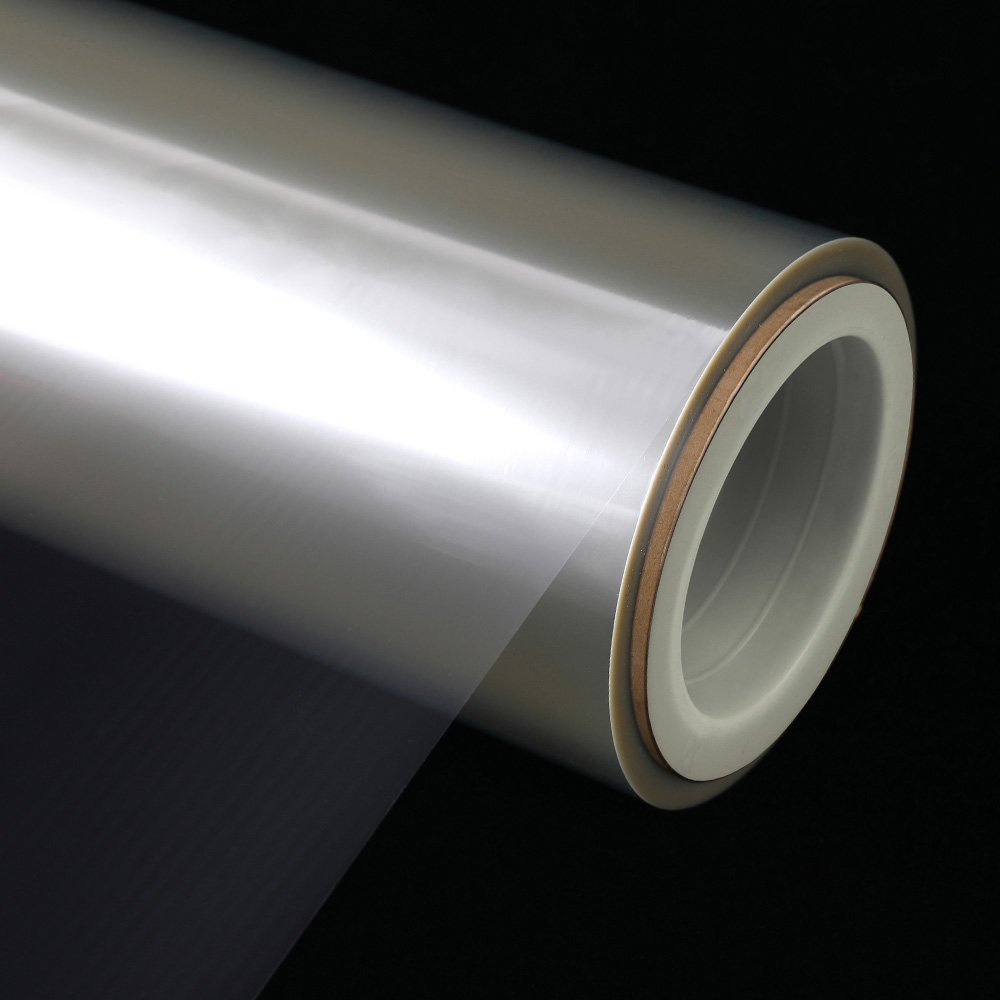
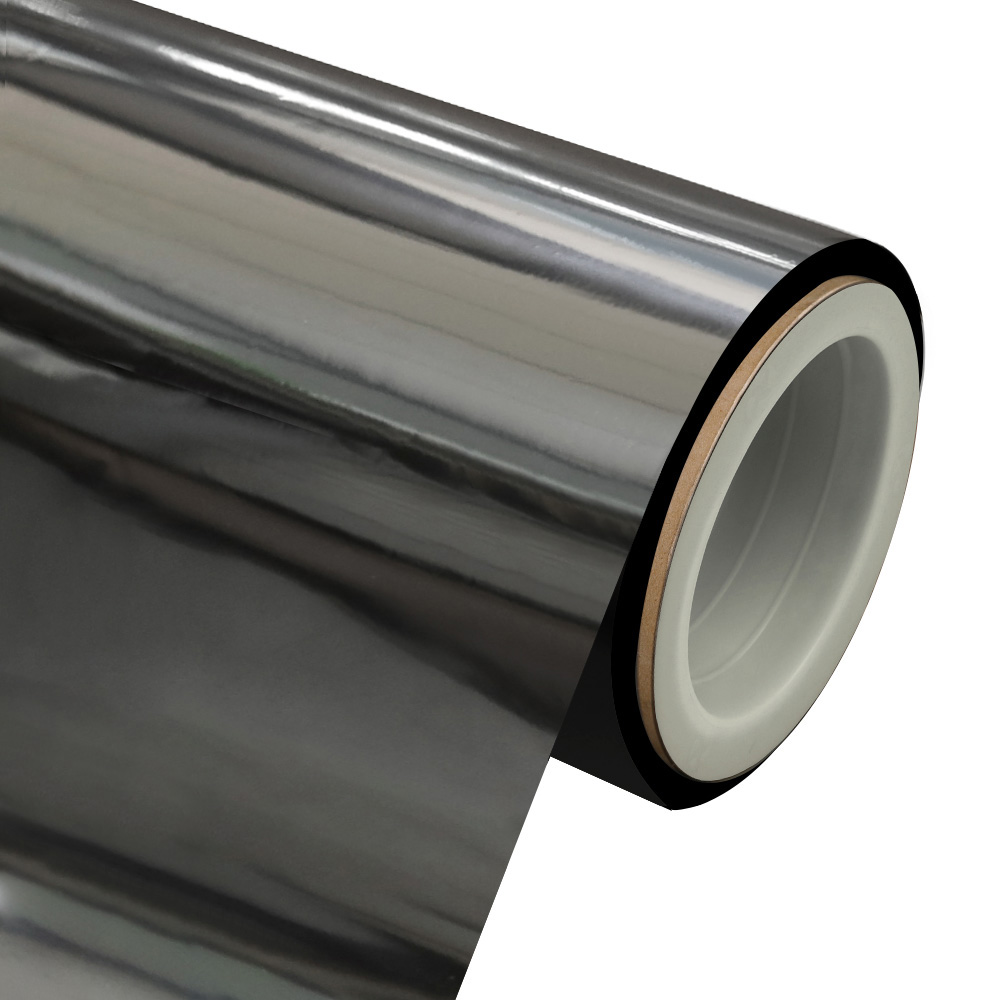
ฟิล์มโพลีเอสเตอร์มาตรฐานมักจะเฉื่อย ทำให้หมึกหรือกาวยึดเกาะกับพื้นผิวได้ยาก เพื่อแก้ไขปัญหานี้ ภาพยนตร์พิเศษ เข้ารับการบำบัดต่างๆ ในระหว่างหรือหลังกระบวนการอัดรีด ฟิล์มเคลือบ ใช้ไพรเมอร์เคมีเพื่อเพิ่มพลังงานพื้นผิว ช่วยให้สามารถยึดเกาะได้ดีกว่าในการพิมพ์ความเร็วสูงหรือการเคลือบที่ซับซ้อน
ในบริบทของ การจัดหาทั่วโลก การระบุซัพพลายเออร์ที่นำเสนอความสามารถในการเคลือบแบบอินไลน์ถือเป็นข้อได้เปรียบที่สำคัญ การเคลือบแบบอินไลน์ถูกนำมาใช้ในระหว่างกระบวนการวาดฟิล์ม ส่งผลให้การรักษามีความสม่ำเสมอและคุ้มค่ามากขึ้นเมื่อเทียบกับการประมวลผลรองแบบออฟไลน์ สารเคลือบเหล่านี้มีฟังก์ชันการทำงานที่หลากหลาย ได้แก่:
- คุณสมบัติป้องกันไฟฟ้าสถิตสำหรับบรรจุภัณฑ์ชิ้นส่วนอิเล็กทรอนิกส์
- การบำบัดป้องกันการเกิดฝ้าสำหรับการใช้งานทางการแพทย์หรืออาหารเฉพาะทาง
- ผิวด้านเพื่อลดแสงสะท้อนภายในรถยนต์
- เคลือบกั้นเพื่อป้องกันการส่งก๊าซหรือความชื้น
ศูนย์กลางระดับภูมิภาคของผู้ผลิตฟิล์มโพลีเอสเตอร์
ในขณะที่ ผู้ผลิตฟิล์มโพลีเอสเตอร์ ตั้งอยู่ทั่วโลก การผลิตกระจุกตัวอยู่ในเส้นทางอุตสาหกรรมเฉพาะ แต่ละภูมิภาคมีข้อได้เปรียบที่เป็นเอกลักษณ์ในด้านลอจิสติกส์ ระยะเวลาดำเนินการ และความเชี่ยวชาญด้านเทคนิค ยกตัวอย่างสิ่งอำนวยความสะดวกเช่น มิตซูบิชิฟิล์มโพลีเอสเตอร์เกรียร์ โรงงานแห่งนี้เป็นตัวแทนของการผลิตที่มีผลผลิตสูงและมุ่งเน้นความแม่นยำซึ่งพบเห็นได้ในศูนย์กลางในอเมริกาเหนือ
มหาอำนาจการผลิตแห่งเอเชีย
เอเชียยังคงเป็นผู้ผลิตแผ่นฟิล์ม PET รายใหญ่ที่สุดเมื่อพิจารณาตามปริมาณ ภูมิภาคนี้ได้รับประโยชน์จากห่วงโซ่อุปทานปิโตรเคมีแบบครบวงจร ซึ่งรับประกันการไหลเวียนของเรซินดิบที่สม่ำเสมอ ผู้ผลิตในภูมิภาคนี้มักจะเป็นรายแรกที่ขยายเทคโนโลยีใหม่ๆ เช่น PET รีไซเคิลได้ โซลูชั่นต่างๆ เนื่องจากมีตลาดสินค้าอิเล็กทรอนิกส์สำหรับผู้บริโภคในท้องถิ่นจำนวนมาก
ความแม่นยำ Engineering in Europe and North America
ซัพพลายเออร์จากตะวันตกมักมุ่งเน้นไปที่ตลาดเฉพาะกลุ่มที่ต้องการการปรับแต่งอย่างมาก สิ่งอำนวยความสะดวกเหล่านี้มักจะอยู่ในระดับแนวหน้าในการพัฒนาภาพยนตร์สำหรับภาคการบินและอวกาศและพลังงานหมุนเวียน พวกเขาจัดลำดับความสำคัญ การเพิ่มประสิทธิภาพห่วงโซ่อุปทาน โดยการนำเสนอคลังสินค้าแบบครบวงจรและรูปแบบการจัดส่งแบบทันเวลาซึ่งช่วยลดต้นทุนการถือครองสินค้าคงคลังให้แก่ลูกค้า
ความสำคัญของผู้จัดจำหน่ายฟิล์มโพลีเอสเตอร์
สำหรับหลายๆ บริษัท การทำงานโดยตรงกับผู้ผลิตหลักไม่สามารถทำได้เนื่องจากปริมาณการสั่งซื้อขั้นต่ำ (MOQ) หรือระยะทางทางภูมิศาสตร์ นี่คือที่ จำหน่ายฟิล์มโพลีเอสเตอร์ มีบทบาทสำคัญ ผู้จัดจำหน่ายทำหน้าที่เป็นสะพานในการให้บริการและการสนับสนุนทางเทคนิคในท้องถิ่นซึ่งโรงงานขนาดใหญ่อาจไม่มีให้บริการ
ผู้จัดจำหน่ายมอบคุณประโยชน์หลักหลายประการให้กับผู้ผลิตที่มีเทคโนโลยีขั้นสูง:
- การตัดและการแปลง: ปรับแต่งม้วนต้นแบบให้มีความกว้างและความยาวที่แม่นยำซึ่งจำเป็นสำหรับเครื่องจักรเฉพาะ
- การจัดการสินค้าคงคลัง: ถือหุ้นด้านความปลอดภัยเพื่อป้องกันการหยุดชะงักด้านลอจิสติกส์ทั่วโลก
- การให้คำปรึกษาด้านเทคนิค: ช่วยให้วิศวกรเลือกเกรดฟิล์มที่เหมาะสมสำหรับผลิตภัณฑ์ต้นแบบใหม่
- การทดสอบวัสดุ: จัดเตรียมตัวอย่างขนาดเล็กเพื่อการตรวจสอบความถูกต้องในระดับห้องปฏิบัติการก่อนส่งมอบในปริมาณมาก
โซลูชั่น PET ที่ยั่งยืนและรีไซเคิลได้
การผลักดันเศรษฐกิจหมุนเวียนทั่วโลกได้เปลี่ยนแปลงอุตสาหกรรมแผ่นฟิล์ม PET โดยพื้นฐานแล้ว ทันสมัย ผู้ผลิตฟิล์มโพลีเอสเตอร์ กำลังลงทุนมหาศาลในเทคโนโลยีที่ช่วยให้สามารถรวมสารที่รีไซเคิลแล้วจากผู้บริโภค (PCR) โดยไม่กระทบต่อคุณสมบัติทางกายภาพของฟิล์ม PET รีไซเคิลได้ ไม่ได้เป็นเพียงตัวเลือก "สีเขียว" อีกต่อไป มันกำลังกลายเป็นข้อกำหนดด้านกฎระเบียบในเขตอำนาจศาลหลายแห่ง
การบรรลุประสิทธิภาพสูงด้วยวัสดุรีไซเคิลถือเป็นความท้าทายทางเทคนิคที่สำคัญ ต้องใช้ระบบการกรองขั้นสูงเพื่อขจัดสิ่งสกปรกที่อาจทำให้เกิดข้อบกพร่องในฟิล์ม ซัพพลายเออร์ที่เชี่ยวชาญด้านความสมดุลของความยั่งยืนและประสิทธิภาพ จะเห็นการนำไปใช้ที่เพิ่มขึ้นในภาคส่วนบรรจุภัณฑ์และสินค้าอุปโภคบริโภค ซึ่งการลดการปล่อยก๊าซคาร์บอนไดออกไซด์ถือเป็นสิ่งสำคัญขององค์กร
การเพิ่มประสิทธิภาพโลจิสติกส์และห่วงโซ่อุปทาน
การนำทาง การจัดหาทั่วโลก ของฟิล์ม PET ต้องใช้กลยุทธ์ด้านลอจิสติกส์ที่แข็งแกร่ง เนื่องจากม้วน PET มีน้ำหนักมากและไวต่อสภาพแวดล้อม การขนส่งจึงต้องได้รับการดูแลด้วยความระมัดระวัง การสัมผัสกับความชื้นสูงหรือความผันผวนของอุณหภูมิระหว่างการขนส่งทางทะเลอาจทำให้เกิดการอุดตัน (ซึ่งชั้นฟิล์มเกาะติดกัน) หรือการเสียรูปของแกนกลาง
เพื่อให้บรรลุ การเพิ่มประสิทธิภาพห่วงโซ่อุปทาน ซัพพลายเออร์และผู้จัดจำหน่ายชั้นนำกำลังใช้ตัวเลือกการจัดส่งแบบควบคุมอุณหภูมิและการติดตามแบบเรียลไทม์ นอกจากนี้ การวางตำแหน่งเชิงกลยุทธ์ของคลังสินค้าในภูมิภาคยังทำให้เกิดรูปแบบการกระจายสินค้าแบบ "ศูนย์กลางและพูดได้" ซึ่งจะช่วยลดเวลาในการจัดส่ง "ระยะทางสุดท้าย" และทำให้มั่นใจว่าสายการผลิตจะไม่หยุดนิ่งเนื่องจากการขาดแคลนวัสดุ
คำถามที่พบบ่อย (FAQ)
คำถามที่ 1: อะไรเป็นตัวกำหนดการใช้งาน "เทคโนโลยีขั้นสูง" สำหรับฟิล์ม PET
การใช้งานที่ใช้เทคโนโลยีขั้นสูงโดยทั่วไปหมายถึงการใช้งานที่ฟิล์มมีบทบาทสำคัญนอกเหนือจากการป้องกันธรรมดา ซึ่งรวมถึงอุปกรณ์อิเล็กทรอนิกส์ เซลล์แสงอาทิตย์ เซ็นเซอร์ยานยนต์ และแถบวินิจฉัยทางการแพทย์ ซึ่งมีคุณสมบัติเช่น เสถียรภาพทางความร้อน และความบริสุทธิ์ทางแสงถือเป็นสิ่งสำคัญ
Q2: ฟิล์มเคลือบแตกต่างจากฟิล์มโพลีเอสเตอร์มาตรฐานอย่างไร
ฟิล์มเคลือบ ได้รับการเคลือบด้วยสารเคมีเพื่อปรับคุณสมบัติพื้นผิว โดยทั่วไปจะทำเพื่อปรับปรุงการยึดเกาะของหมึกและสารเคลือบ สร้างเกราะป้องกันไฟฟ้าสถิต หรือปรับแรงเสียดทานของฟิล์มเพื่อการประมวลผลที่ความเร็วสูง
คำถามที่ 3: เหตุใดความหนาของฟิล์มที่สม่ำเสมอจึงมีความสำคัญมาก
เครื่องแบบ ความหนาของฟิล์ม ช่วยให้มั่นใจได้ถึงประสิทธิภาพที่สม่ำเสมอทั่วทั้งพื้นผิวของวัสดุ ในการใช้งานทางไฟฟ้า ความหนาที่แปรผันอาจทำให้เกิด "จุดร้อน" หรือความล้มเหลวของอิเล็กทริก ในการพิมพ์ ช่วยให้มั่นใจได้ว่าจุดโฟกัสยังคงสม่ำเสมอระหว่างการใช้งานเลเซอร์หรืออิงค์เจ็ท
คำถามที่ 4: การจัดหาผ่านผู้จัดจำหน่ายฟิล์มโพลีเอสเตอร์มีประโยชน์อย่างไร
ผู้จัดจำหน่ายเสนอความยืดหยุ่น พวกเขาให้บริการขั้นต่ำที่ต่ำกว่า สินค้าคงคลังในท้องถิ่น บริการตัดแบบกำหนดเอง และผลิตภัณฑ์ที่หลากหลายจากหลายรายการ ผู้ผลิตฟิล์มโพลีเอสเตอร์ ช่วยให้ได้รับประสบการณ์แบบครบวงจร
คำถามที่ 5: PET รีไซเคิลมีความแข็งแรงเท่ากับฟิล์ม PET บริสุทธิ์หรือไม่
ด้วยเทคนิคการผลิตที่ทันสมัย PET รีไซเคิลได้ ฟิล์มสามารถจับคู่ความแข็งแรงเชิงกลและความใสของฟิล์มใหม่ได้ อย่างไรก็ตาม จำเป็นต้องมีการประมวลผลที่ซับซ้อนเพื่อให้แน่ใจว่าเนื้อหาที่รีไซเคิลแล้วจะไม่ทำให้เกิดจุดอ่อนทางโครงสร้างหรือข้อบกพร่องทางการมองเห็น
คุณพร้อมที่จะทำงานร่วมกับเราหรือยัง?
เริ่มต้นโครงการ
- ลิงค์ด่วน
- ข้อมูลบริษัท
- วัฒนธรรมองค์กร
- คุณสมบัติ
- คำถามที่พบบ่อย
- ผลิตภัณฑ์
- ฟิล์มอล็อกซ์
- VMPET
- VMCPP
- vmbopp
- ภาพยนตร์เคลือบ
- ติดต่อเรา
- โทร: +86-13456263964
-
โทรศัพท์ : +86-0573-87783633
โทรศัพท์ : +86-0573-87780583 - อีเมล : [email protected]
- ที่อยู่: ถนน Xinhe 6th, เมือง Xieqiao, Haining City, Zhejiang Province, China

